Tomatoes
The tomato is a fruit from a nightshade family native to South America. A tomato is a technically a fruit, because it’s seed-bearing and develops from the ovary of a flowering plant.
Tomatoes, along with seedy cucumbers and zucchini, are categorized as vegetables. That’s due in part to their lower carb and sugar contents: A medium tomato provides just 22 calories, and about 5 grams of total carb, with 3 as sugar and 1.5 as fiber.
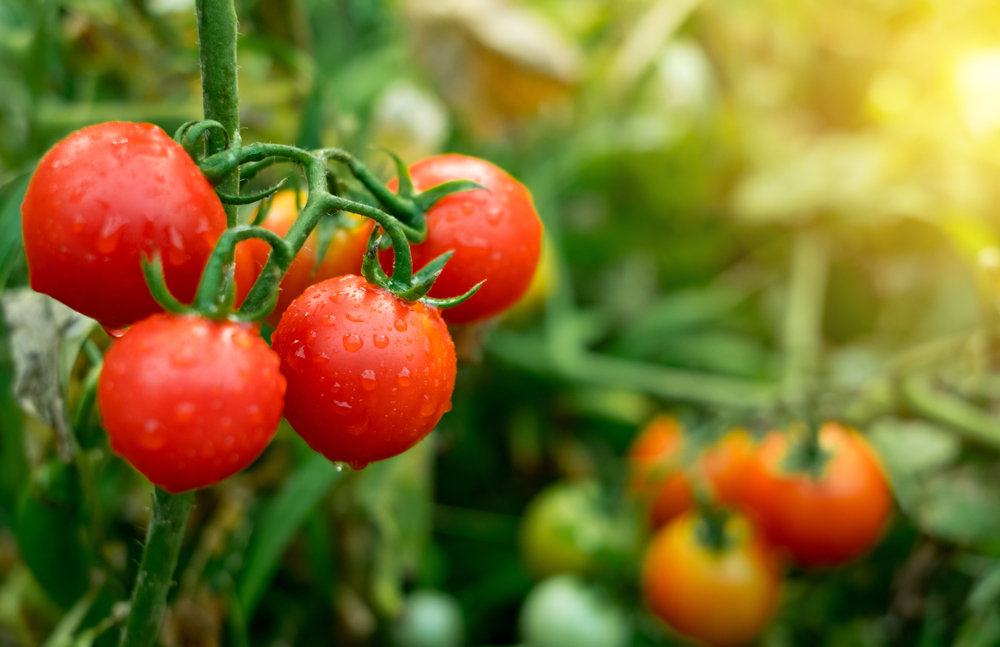
Usually red when mature, tomatoes can also come in a variety of colors, including yellow, orange, green, and purple. What’s more, many subspecies of tomatoes exist with different shapes and flavor.
When tomatoes start to ripen, they produce a gaseous hormone called ethylene.
Commercially grown tomatoes are harvested and transported while still green and immature. To make them red before selling, food companies spray them with artificial ethylene gas. This process inhibits the development of natural flavor and may result in tasteless tomatoes. Therefore, locally grown tomatoes may taste better because they’re allowed to ripen naturally.
If you buy unripened tomatoes, you can speed up the ripening process by wrapping them in a sheet of newspaper and keeping them on the kitchen counter for a few days. Check them daily for ripeness.
The water content of tomatoes is around 95%. The other 5% consists mainly of carbohydrates and fiber.
Here are the nutrients in a small raw tomato:
- Calories: 18
- Water: 95%
- Protein: 0.9 grams
- Carbs: 3.9 grams
- Sugar: 2.6 grams
- Fiber: 1.2 grams
- Fat: 0.2 grams
Carbs comprise 4% of raw tomatoes, which amounts to fewer than 5 grams of carbs for a medium tomato. Simple sugars, such as glucose and fructose, make up almost 70% of the carb content.
Tomatoes are a good source of fiber, providing about 1.5 grams per average-sized tomato. 87% of the fibers in tomatoes are insoluble, in the form of hemicellulose, cellulose, and lignin.
A single tomato can provide about 40% of the daily recommended minimum of vitamin C. Tomatoes also supply vitamin A, which supports immunity, vision, and skin health; vitamin K, which is good for your blood clotting and bones; and potassium, a key nutrient for heart function, muscle contractions, and maintaining a healthy blood pressure and fluid balance.
The main plant compounds in tomatoes are:
- Lycopene. Tomatoes are the major dietary source of the antioxidant lycopene, which has been linked to many health benefits, including reduced risk of heart disease and cancer. It is the most abundant carotenoid in ripened tomatoes. It’s found in the highest concentrations in the skin. Tomato products such as ketchup, tomato juice, tomato paste, and tomato sauces are the richest dietary sources of lycopene in the Western diet, providing over 80% of dietary lycopene in the United States. Gram for gram, the amount of lycopene in processed tomato products is often much higher than in fresh tomatoes. But, they are often processed with added sugars. Clinical studies of tomato products indicate benefits against inflammation and markers of oxidative stress. They also show a protective effect on the inner layer of blood vessels and may decrease your risk of blood clotting. Lycopene is also good for your eyes. Tomatoes contain lutein and beta-carotene as well. According to research, those nutrients support vision and protect against eye conditions including cataracts and macular degeneration.Other foods in your diet may have a strong effect on lycopene absorption. Consuming this plant compound with a source of fat can increase absorption by up to four times.
- Beta carotene. An antioxidant that often gives foods a yellow or orange hue, beta carotene is converted into vitamin A in your body.
- Naringenin. Found in tomato skin, this flavonoid has been shown to decrease inflammation.
- Chlorogenic acid. A powerful antioxidant compound, chlorogenic acid may lower blood pressure in people with elevated levels.
Chlorophylls and carotenoids like lycopene are responsible for the rich color of tomatoes.
When the ripening process starts, the chlorophyll (green) is degraded and carotenoids (red) are synthesized.
Research suggests that for heart health benefits, it’s more effective to eat tomatoes and tomato products than take lycopene supplements. Other studies have shown that higher blood levels of lycopene are tied to lower death rates for people with metabolic syndrome, a cluster of risk factors that raise the chances of developing heart disease, diabetes, and stroke. A study in middle-aged men linked low blood levels of lycopene and beta-carotene to increased risk of heart attacks and strokes.
Observational studies have noted links between tomatoes with fewer incidences of prostate, lung, and stomach cancers. High lycopene content is believed responsible, high-quality human research needed to confirm the cause of these benefits. A study in women shows that high concentrations of carotenoids found in high amounts in tomatoes may protect against breast cancer.
Tomatoes are considered beneficial for skin health. A 2011 study found that the combination of tomato paste and olive oil protected against sun damage, and boosted the production of pro-collagen, a molecule that gives the skin its structure. Scientists believe that the lycopene in tomatoes is key. It’s at its highest concentration when tomatoes have been cooked, and olive oil boosts its absorption from your digestive system into your bloodstream.
Tomato-based foods rich in lycopene and other plant compounds may protect against sunburn. According to one study, people who ingested 1.3 ounces of tomato paste (providing 16 mg of lycopene) with olive oil every day for 10 weeks experienced 40% fewer sunburns.
Although tomato allergy is rare, individuals allergic to grass pollen are more likely to be allergic to tomatoes. This condition is called pollen-food allergy syndrome or oral-allergy syndrome.
People with latex allergy can also experience cross-reactivity to tomatoes.
How to Buy
Cherry and Grape Tomatoes
Because of the many varieties sold, color isn’t always an indicator of ripeness. Pick firm tomatoes that are free of bruises and cracks.
Beefsteak, Plum, and Heirloom
Look for intense color (they come in many colors) and firm texture that gives a little when pressed. Tomatoes should be free of blemishes, cracks, or sunken spots, and smell intensely of tomato.
Yellow and orange tomatoes are usually less acidic than red tomatoes. Ripe tomatoes will give a little to gentle pressure.
How to Store
Cherry and Grape Tomatoes
Cherry tomatoes will actually continue to ripen after picking if kept at room temperature. They shouldn’t be stored in the fridge unless they’re very ripe because cold mutes their bright flavor and can turn the texture mealy.
Beefsteak, Plum, and Heirloom Keep tomatoes at room temperature, either on the counter or, if they require more ripening, in a brown paper bag.
Never refrigerate tomatoes! Use ripe tomatoes immediately.
Ripen tomatoes stem side up to avoid bruising.
To freeze, chop tomatoes and place in a silicone resealable bag, and squeeze out as much air as possible.
How to Cook
Remove the core of a tomato by cutting around the stem end with a small serrated knife. Remove skin by scoring bottom of each tomato with an X, placing in boiling water for 10-30 seconds, then dipping quickly in cold water. The skins will slip right off.
To remove seeds, cut off the top and bottom of tomato and squeeze the middle section gently.
Remove any green stems on cherry or grape tomatoes before you serve them sliced, drizzled with balsamic or garnished with fresh basil, sea salt, and cracked black pepper. Dress fresh greens or steamed veggies with sundried tomato pesto.
Use tomato paste in veggie chili, or mix it into hummus, along with roasted garlic and harissa.