Feverfew
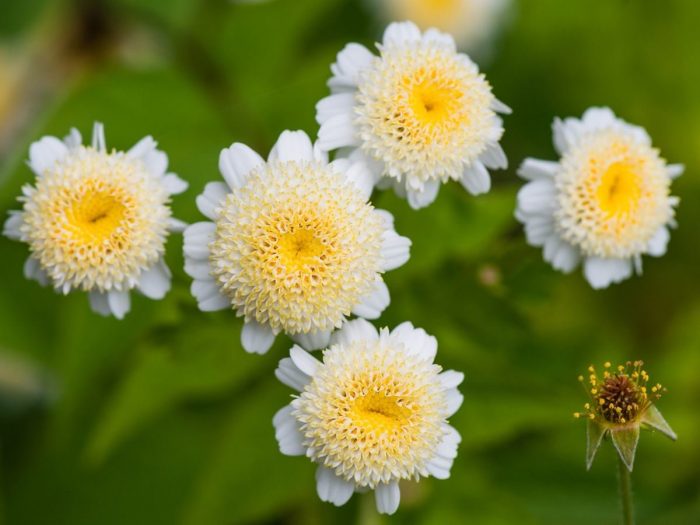
Feverfew is a yellow flowering plant that is related to the daisy. It is native to southeastern Europe and it has now spread throughout Europe, North and South America, and Australia.
Feverfew has been used in traditional medicine for centuries including by the Ancient Greeks for conditions ranging from toothaches to menstrual cramps. The name “feverfew” however, comes from its primary and historical use as a way to treat inflammations or fevers. Most feverfew products today are made from the dried feverfew leaves.
Research found that parthenolide and other ingredients in feverfew get in the way of serotonin and prostaglandin. These are natural substances that dilate the blood vessels. They may be responsible for triggering headaches and migraines.
Feverfew is likely to work for migraines if taken daily for at least several months. It’s important to note that it prevents migraines. It doesn’t treat them. This means that it won’t help if you take it when you have a migraine.
Feverfew has been known to reduce stress and alleviate anxiety in some users. This is very important for those who suffer from chronic stress, as the presence of stress hormones in the body can be dangerous over long periods.
Some of the volatile compounds in feverfew have anti-inflammatory abilities, which effectively reduces inflammation throughout the body. For those who suffer from chronic joint pain, arthritis, gout, and other inflammatory conditions, herbal treatment with feverfew is a painless and effective solution.
Traditionally, feverfew has been used to break and eliminate fevers. If you are suffering from a fever, whether it is linked to another more serious illness or not, it can help to promote sweating and eliminate toxins from the body, speeding the healing process and reducing inflammation.
One of the popular uses of feverfew is in the reduction of discomfort during menstruation. Feverfew can effectively lower inflammation, reduce cramps, bloating, hormonal swings, pain, and excessive bleeding.
For people trying to gain weight or recovering from an injury/surgery, increasing one’s appetite can be very important. Feverfew has been linked to certain hormonal activity that induces hunger.
Feverfew reduces inflammation and irritation in the respiratory tract, which can often exacerbate conditions like asthma or coughing. By allowing the respiratory tracts to relax, it can help soothe these symptoms and improve overall respiratory health.
One of the more recent health benefits of feverfew is its role in skin health. Research shows improvement of the skin when applied topically to treat dermatitis.
Feverfew can inhibit the production of certain prostaglandins in the body that are responsible for increasing blood pressure. By reducing symptoms of hypertension, feverfew can protect overall heart health and lower the chances of experiencing atherosclerosis.
Feverfew is closely related to the ragweed family, which is a common allergen for many people. If you are allergic to plants in the ragweed family, feverfew should not be used. Common side effects include mouth ulcers in certain people, and if this occurs, discontinue use and see a medical professional. This herb should also not be used while pregnant, despite its analgesic and soothing qualities, because it might induce uterine contractions.
As always, consult a medical professional or a trained herbalist before adding a new element to your herbal health regimen, as there is always the chance of negative pharmaceutical interactions with such powerful herbs.
How to Buy
You can buy feverfew as a supplement in most health food store. It is often combined with white willow.
It is an easy plant to grow but it behaves like a weed, so you need to tend to it. Trim and lay the leaves flat out on a screen to dry.
How to Store
Store in an airtight container or tie feverfew in a bundle and allow to dry hanging upside down in a dark, ventilated and dry area. You can also dry feverfew in an oven at 140 degrees F. If you are using feverfew fresh, it’s best to cut it as you need it.
How to Cook
You can use both the flower and and leaves to make a feverfew tincture. Simply pinch off the flower heads and leaves, place them in a jar, and cover them with 80-proof alcohol, like vodka, gin or rum.
Let the jar sit for 3-6 weeks, out of sunlight.
Strain the mixture and transfer to a tincture jar.
Take one adult dose, two droppers full, up to 4 times a day, to treat migraines and headaches.
Do not take while pregnant. (Might induce contractions.)