Coffee
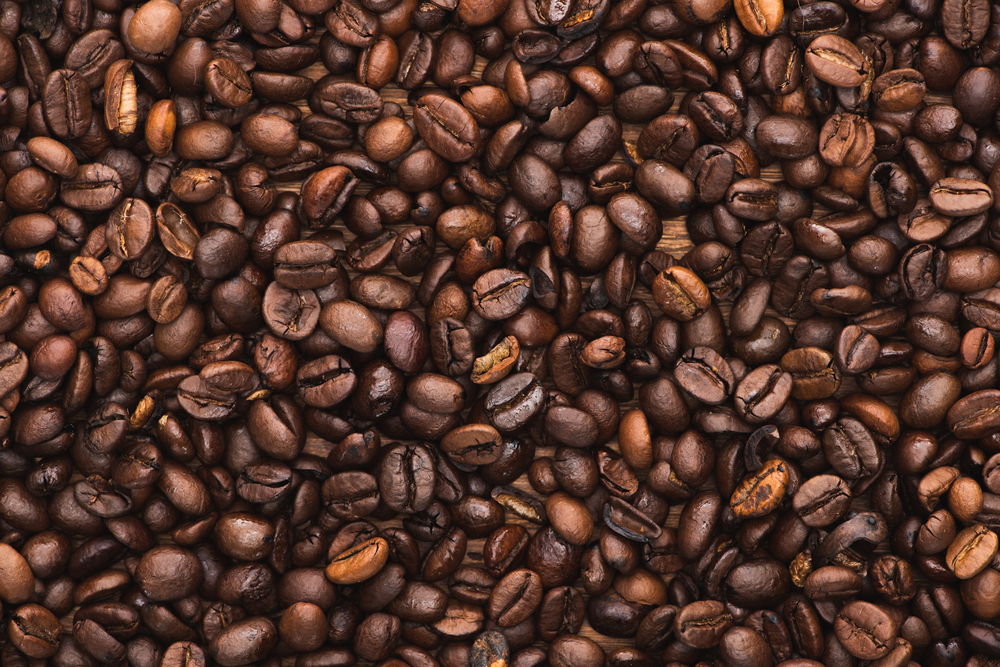
Coffee is a brewed drink prepared from roasted coffee beans, the seeds of berries from certain Coffea species. When coffee berries turn from green to bright red in color, indicating ripeness, they are picked, processed, and dried. Dried coffee seeds are roasted to varying degrees, depending on the desired flavor.
Not so long ago, many health-conscious American wondered whether they should stop drinking coffee. In recent years coffee’s reputation has gone from addictive health hazard to powerful potion that provides a long list of surprising benefits.
In a June 2016 report, the World Health Organization (WHO) officially lifted coffee from the list of potentially carcinogenic foods. It went on to designate coffee as potentially protective against cancer of the uterus and liver.
The WHO is not the only organization to include coffee in its list of foods that are probably harmless and possibly healthy. The 2015 Dietary Guidelines Advisory Committee (commissioned by the secretaries of the US Department of Health and Human Services and the US Department of Agriculture) thoroughly reviewed the evidence and declared that “moderate coffee consumption (two to four cups per day) can be incorporated into a healthy dietary pattern…” And the World Cancer Research Fund International concluded that coffee consumption was linked with a lower risk of several types of cancer.
There’s evidence to suggest that regularly drinking coffee lowers the risk of heart disease, Alzheimer’s disease, colon cancer, cirrhosis of the liver, depression, and even premature death.
Coffee, both regular and decaf, contains an abundance of antioxidants. For many people, it is the single largest source of antioxidants in their diets, followed by fruit, tea, wine, cereals, grains, and vegetables. This doesn’t mean the coffee is a universal health food. This reflects the fact that the average person isn’t eating enough broccoli, kale and blueberries.
Coffee contains vitamin C, Magnesium, polyphenols, catechins, flavonoids, and cholrogenic acids – indicating that antioxidants are its main selling point.
Moderate coffee consumption has been linked with longer lifespan. In fact, a November 2015 study in Circulation found that coffee consumption was associated with an 8% to 15% reduction in the risk of death (with larger reductions among those with higher coffee consumption).
Considering all of this good news about coffee consumption, you might feel tempted to increase your intake or to start drinking it if you don’t already.
- If you don’t like coffee, there is no current recommendation to drink it.
- If you are already a coffee drinker, it should be reassuring that after decades of research, no strong link can be found between coffee intake and cancer and, to the contrary, a number of health benefits seem to accompany coffee consumption. But, the evidence isn’t powerful enough to recommend an increase in your daily habit. One reason is that researchers don’t know for sure that coffee consumption actually caused the health benefits observed in these studies. Some other unmeasured factor could be responsible. Another reason is that the overall effect was small. And, it’s worth noting that some people are quite sensitive to the side effects of coffee.
- Moderate your coffee intake. Although we don’t know how much coffee is too much, the risk of side effects is lower with moderation.
The news on coffee isn’t entirely positive.
Coffee can increase insulin production in people who have type 2 diabetes.
Caffeine is a stimulant and can raise cortisol and adrenaline which can lead to adrenal exhaustion. The way that you respond to coffee has a lot to do with your genetics. Some people can have 1 cup and be wired all day. Others can drink 10 cups and still have trouble keeping their eyes open.
Coffee can lead to heart palpitations. If you are regular drinker who misses a dose, you may experience withdrawal symptoms like headaches, fatigue, and anxiety.
Bladder and pancreatic cancer. Studies performed more than 30 years ago suggested a potential link between coffee consumption and cancers of the bladder, pancreas, and possibly others. Since then, better research has largely refuted these concerns. In fact, some of the older studies raising red flags about a cancer link have since been used as examples of “fishing expeditions” and weak research methodology.
Esophageal cancer. In a 2016 report, the WHO raised concerns that drinking coffee (or other beverages) at temperatures higher than 149° F may increase the risk of esophageal cancer. However, this is not unique to coffee. And drinking coffee at such high temperatures is unusual among most coffee drinkers in the US.
Cardiovascular disease. Studies linking coffee consumption to cardiovascular disease have mostly observed it with higher consumption (well above four cups per day), and some of these studies did not account for smoking, which often accompanies coffee consumption and is, of course, an important cardiovascular disease risk factor on its own. Other concerns include modest and temporary elevations in blood pressure, and fast or abnormal heart rhythms.
Bothersome, but mostly minor, side effects. The caffeine in coffee can impair sleep, cause a “speedy” or jittery feeling, and even cause anxiety. Heartburn, frequent urination (because caffeine is a diuretic), and palpitations are problematic for some coffee drinkers.
Avoid “coffee drinks”. These are usually just big cups of milk, sugar, artificial flavors, and whipped cream with some coffee mixed in. One Starbucks White Chocolate Mocha has 470 calories and is mostly sugar.
How to Buy
Many coffee farms receive as little as 10 percent of the retail price of their product. High demand for coffee has also led to the destruction of rain forests and animal habitats. According to the World Wildlife Fund, more than 2 million acres of forest have been cleared in Central America for coffee farming. Additionally, industrial coffee farming requires a massive amount of chemicals and fertilizers that pollute our environment.
Please look for organic, free-trade labels.
Pre-ground coffee loses flavor as it sits in the package on a shelf in the grocery store for weeks or months or years. If your coffee doesn’t say where it was grown and roasted, it’s probably not that great. The roast date is the most important piece of information on a bag of coffee. You want beans that were roasted no longer than two weeks ago. Once they pass that stage, they start to lose flavor. And once they hit a month, they’ll start to taste like cardboard. If you cannot find the roast details, it is because the people who made the coffee don’t want you to know when the beans were roasted.
How to Store
Coffee does best stored in a dry, airtight container, avoiding air, moisture, heat, and light.
- Choose a cool, dark, dry place, such as in a pantry or cabinet.
- Avoid warm spots, such as above or next to the oven or in cabinets that get hot from exposure to sunlight or cooking equipment.
- It’s OK to keep your coffee on a counter if it’s in an opaque, airtight container out of direct sunlight and away from any heat source.
If you choose to freeze your coffee, quickly remove as much as you need for no more than a week at a time, and return the rest to the freezer before any condensation forms on the frozen coffee. Freezing your beans does not not change the basic brewing process. That said, many coffee aficionados believe that the cold messes with the oils and fibers that lead to full, flavorful coffee.
How to Cook
Remember that what you add to your coffee can make a difference in how healthy the beverage really is. Instead of loading up on cream and sugar, add up to two tablespoons of dairy-free milk, and use naturally sweet spices and flavorings. Try stirring in a ¼ teaspoon of the following for extra flavor:
- Vanilla extract
- Cardamom
- Cinnamon
- Cocoa powder